
Home » AI Recruitment vs Traditional Hiring: What’s Changing in Modern Hiring?
AI Recruitment vs Traditional Hiring: What’s Changing in Modern Hiring?
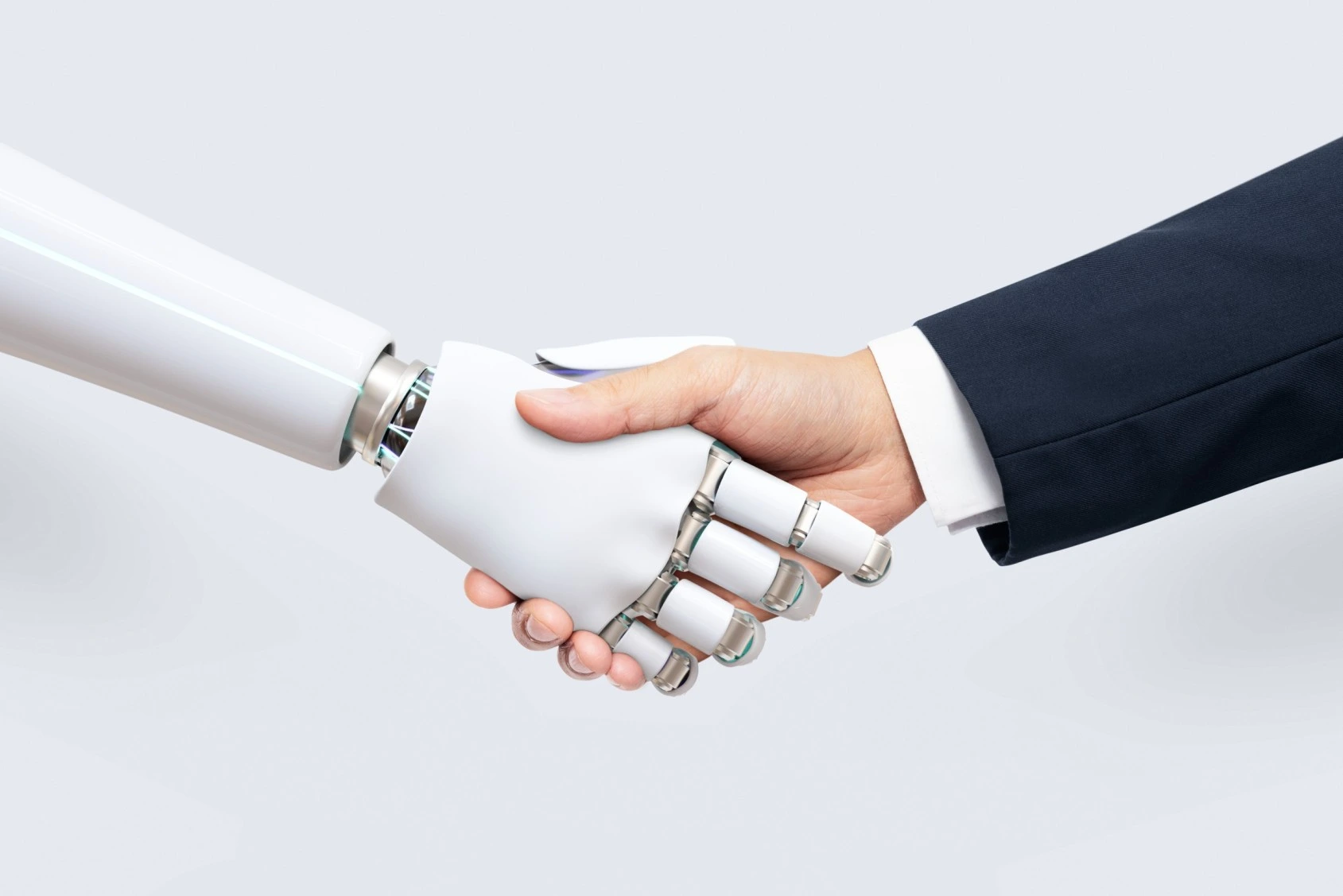
Hiring has always been one of the most critical functions within any organization. Yet for many businesses, the traditional recruitment process remains slow, manual, and resource-intensive. Recruiters spend hours screening resumes, coordinating interviews, and evaluating candidates, often while managing multiple open positions simultaneously.
As hiring demands increase, organizations are looking for ways to improve efficiency without compromising candidate quality. This is where AI recruitment is changing the landscape.
Artificial intelligence is transforming recruitment by automating repetitive tasks, improving candidate matching, and helping hiring teams make faster, more informed decisions. Rather than replacing recruiters, AI enables them to focus on strategic activities while technology handles administrative work.
In this article, we’ll explore the differences between AI recruitment and traditional hiring, what’s changing in modern talent acquisition, and how organizations can benefit from adopting AI-powered hiring solutions.
What Is Traditional Hiring?
Traditional hiring follows a largely manual process that relies heavily on recruiters and hiring managers to manage each stage of recruitment.
A typical traditional recruitment process includes:
- Posting job openings across multiple platforms
- Reviewing resumes manually
- Shortlisting candidates based on experience and qualifications
- Scheduling interviews
- Conducting assessments and interviews
- Making hiring decisions
While this approach has been effective for decades, it presents several challenges:
- Time-consuming resume reviews
- Inconsistent candidate evaluations
- Administrative overload
- Longer time-to-hire
- Difficulty managing large applicant volumes
As organizations grow and hiring needs become more complex, these limitations can impact recruitment efficiency and candidate experience.
What Is AI Recruitment?
AI recruitment uses artificial intelligence and automation to streamline and optimize hiring processes.
An AI hiring platform can assist with:
- AI resume screening
- Candidate matching
- Automated candidate ranking
- Interview scheduling
- Recruitment workflow automation
- Hiring analytics and reporting
Rather than manually reviewing hundreds of resumes, recruiters can leverage AI recruitment software to identify the most relevant candidates based on job requirements, skills, experience, and qualifications.
The result is a more efficient hiring process that helps teams focus their time on engaging with top talent rather than managing repetitive administrative tasks.
AI Recruitment vs Traditional Hiring: Key Differences
Feature | Traditional Hiring | AI Recruitment |
Speed | Manual and time-intensive | Fast and automated |
Resume Screening | Recruiter reviews every resume | AI-powered resume screening |
Candidate Matching | Keyword and manual evaluation | Intelligent candidate matching |
Bias Reduction | Varies by recruiter | More structured and data-driven |
Recruiter Workload | High administrative burden | Reduced manual effort |
Candidate Experience | Slower communication | Faster responses and scheduling |
Scalability | Difficult during hiring surges | Easily scales across roles |
Decision Making | Based on manual review | Data-supported insights |
What’s Changing in Recruitment?
The recruitment industry is undergoing significant transformation. Several key shifts are driving the adoption of AI in talent acquisition.
From Manual Screening to AI Resume Screening
Recruiters often spend hours reviewing resumes. AI recruitment software can analyze large volumes of applications within minutes, helping identify qualified candidates faster.
From Keyword Matching to Intelligent Candidate Matching
Traditional systems often rely on keyword searches. Modern AI hiring platforms evaluate candidates based on skills, experience, qualifications, and overall fit for the role.
From Slow Shortlisting to Faster Ranking
AI can automatically rank candidates according to job requirements, allowing recruiters to focus on the most relevant applicants first.
From Reactive Hiring to Proactive Talent Decisions
AI-powered analytics help hiring teams identify trends, improve hiring strategies, and make more informed decisions.
From Administrative Work to Recruitment Automation
Tasks such as scheduling interviews, sending updates, and managing workflows can be automated, reducing recruiter workload and improving efficiency.
Benefits of AI Recruitment for Hiring Teams
Organizations adopting AI recruitment software often experience several operational benefits.
Faster Shortlisting
AI can quickly identify qualified candidates from large applicant pools, significantly reducing screening time.
Better Candidate Quality
By analyzing multiple factors beyond keywords, AI can help surface candidates who may otherwise be overlooked.
Reduced Manual Effort
Recruiters spend less time on repetitive administrative tasks and more time engaging with candidates.
Improved Consistency
AI-driven evaluations follow structured criteria, helping standardize candidate assessments.
Better Hiring Visibility
Recruitment analytics provide insights into hiring performance, pipeline health, and process efficiency.
Scalable Recruitment Workflows
Whether hiring for five positions or five hundred, AI-powered systems can support growing recruitment demands.
Does AI Replace Recruiters?
One of the most common misconceptions about AI recruitment is that it will replace recruiters.
The reality is quite different.
AI is designed to support recruiters, not replace them.
While AI can automate tasks such as resume screening, ranking, and scheduling, human expertise remains essential for:
- Building candidate relationships
- Conducting interviews
- Evaluating culture fit
- Assessing soft skills
- Making final hiring decisions
Successful recruitment combines technology with human judgment. AI handles efficiency, while recruiters provide context, empathy, and strategic decision-making.
When Should Companies Move from Traditional Hiring to AI Recruitment?
Organizations should consider adopting AI recruitment when they begin experiencing hiring bottlenecks.
Common signs include:
Too Many Resumes to Review Manually
High application volumes can overwhelm recruiters and slow down hiring processes.
Slow Time-to-Hire
Lengthy recruitment cycles can result in losing top candidates to competitors.
Inconsistent Shortlisting
Manual reviews may lead to varying candidate evaluations across recruiters.
Recruiters Overloaded with Administrative Tasks
Scheduling, screening, and follow-up activities can consume valuable recruiter time.
Growing Hiring Needs
Companies planning rapid expansion often require scalable hiring automation solutions.
If these challenges sound familiar, AI recruitment may provide a practical path forward.
How HireOne Helps Modern Hiring Teams
As organizations look to modernize their hiring processes, platforms like HireOne.ai provide a practical way to combine automation with effective talent acquisition.
HireOne is an AI hiring platform designed to help teams:
- Automate resume screening
- Match candidates to job requirements
- Score and rank applicants
- Streamline interview scheduling
- Improve recruitment efficiency
By reducing manual workload and helping recruiters focus on qualified candidates, HireOne enables faster, more structured hiring workflows.
Instead of spending hours reviewing applications, hiring teams can quickly identify top talent and move candidates through the recruitment process with greater efficiency.
Conclusion
Traditional hiring is not disappearing, but it is evolving.
As hiring demands increase, organizations need smarter ways to manage recruitment without sacrificing candidate quality. AI recruitment offers a practical solution by automating repetitive tasks, improving candidate matching, and helping recruiters make more informed decisions.
The future of talent acquisition is not about replacing recruiters with technology. It is about empowering recruiters with tools that help them work faster, smarter, and more effectively.
For organizations looking to improve hiring efficiency and scale recruitment operations, AI recruitment software is becoming an increasingly valuable part of the modern hiring process.
Ready to Modernize Your Hiring Process?
Discover how HireOne.ai can help your team automate resume screening, improve candidate matching, and streamline hiring workflows.
Book a demo today and see how AI-powered recruitment can transform the way you hire.
FAQs
Traditional hiring relies heavily on manual processes, while AI recruitment uses automation and artificial intelligence to streamline screening, matching, and scheduling activities.
AI recruitment can improve efficiency, consistency, and scalability. However, the best results often come from combining AI tools with human recruiter expertise.
Yes. AI-powered screening and candidate ranking can significantly reduce the time required to identify qualified applicants.
No. AI supports recruiters by automating repetitive tasks, while recruiters remain responsible for relationship-building, interviews, and final hiring decisions.
Organizations should look for features such as AI resume screening, candidate matching, automated scheduling, analytics, workflow automation, and ease of integration with existing hiring processes.
Build Your Winning Team Faster
From sourcing to shortlisting, HireOne helps you recruit smarter and reduce time-to-hire.